We are a natural and sustainable 6 acre farm in NE Georgia. We started in 2012 and are
trying to transform a plot of grass and
weeds into a vibrant and productive farm.
We primarily use food
forests, raised beds and POS (Point of Service) farming to grow our plants. This is not your typical
farm! No synthetic fertilizers or pesticides around here.
Zucchini Everywhere!
I see zucchini - zucchini everywhere!
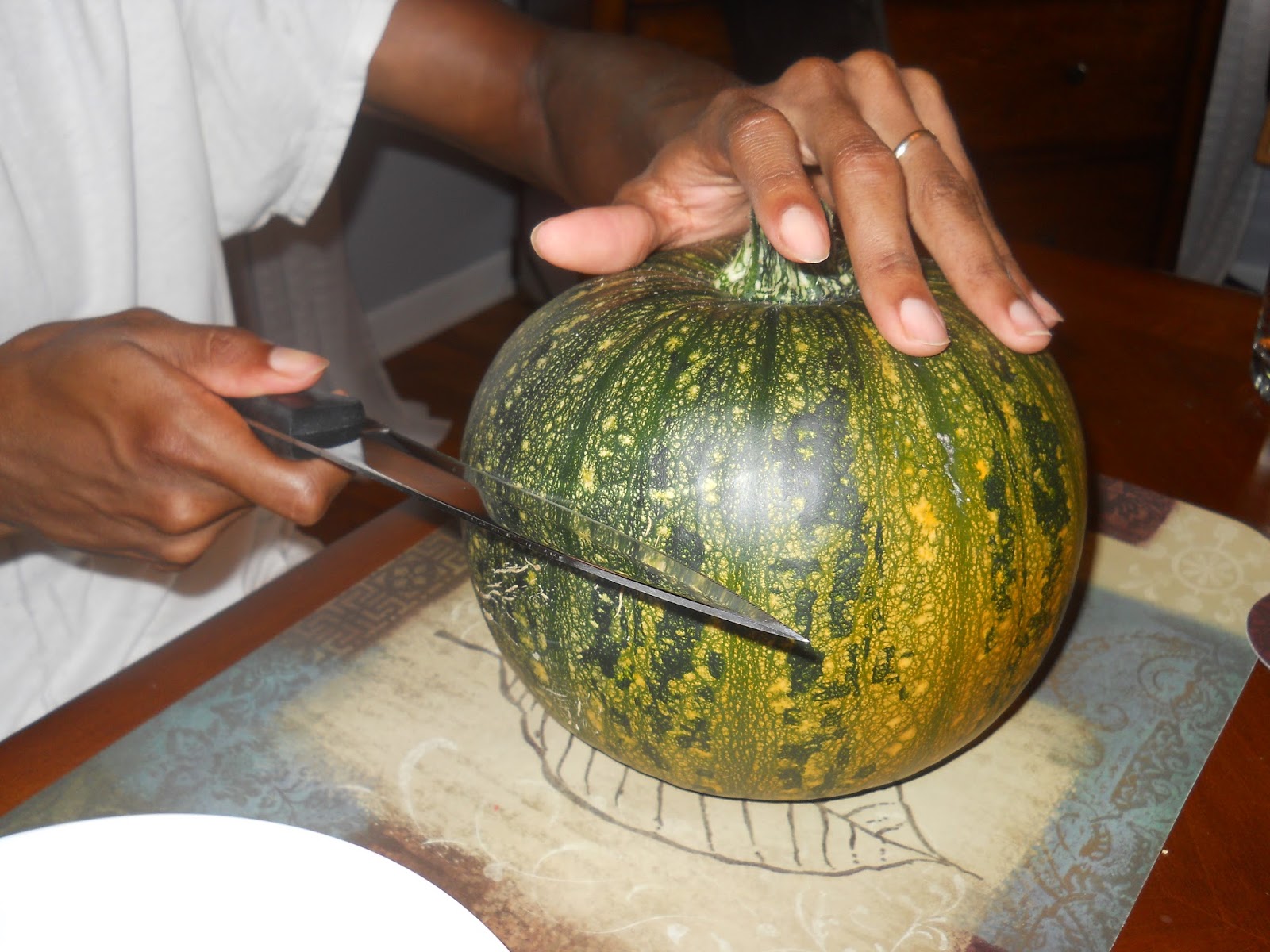
If you have ever grown zucchini, you know what I am talking about. In an effort to not have them go to waste, I am highlighting some recipes in which zucchini can be used.
Zucchini Fries
Black Beans and Zucchini Quesadillas
Zucchini Oven Chips
Garden Vegetable Crustless Quiche
If you have ever grown zucchini, you know what I am talking about. In an effort to not have them go to waste, I am highlighting some recipes in which zucchini can be used.
Zucchini Fries
Black Beans and Zucchini Quesadillas
Zucchini Oven Chips
Garden Vegetable Crustless Quiche
New Chickens
We've had 8 Dominique chickens (2 roosters & 6 hen) for several months now and decided we wanted to add to our flock so that we will have enough eggs for ourselves and to sell.
Our ultimate goal is to have the perfect mutt chicken so we got several different breeds this time with the idea that since our only roosters are Dominiques any future chickens will always have at least a little Dominique in them.
This time we got 5 pullets of each of these -
Rhode Island Red
Black Australorp
White Leghorn
Cuckoo Maran
Easter Eggers
We used efowl.com which is the best site we've found for buying day old chicks.
Here are descriptions of all our breeds taken straight from the efowl website -
Dominique - The Dominique Chicken is the oldest American chicken, developed in New England sometime during colonization of North America. The Dominique Chicken remained the most popular American Breed until the development of the Barred Plymouth Rock in the mid 19th century.
The Dominique Chicken is a calm and gentle bird that can be easy to show. It's docile temperament makes for great layers and good family or backyard birds. The Dominique Hens are dependable and hardly layers of medium sized brown eggs. The roosters occasionally tend to act aggressively toward humans or other roosters. The Dominique Chicken is a good looking bird with black and creamy white barred plumage patterns. The barring is more staggered and less parallel than the plumage of the Barred Plymouth Rock. The Dominique Chicken has a bright red rose comb with bright red wattles and ear lobes.
Overall, the Dominique Chicken is a beautiful chicken breed that will dependably produce eggs in marginal weather. The birds' plumage pattern, also known as "hawk coloring", offers some protection against some aerial predators, helping the bird survive in backyard free range environments. The Dominique Chicken will also dress nicely and produce quality tasting meat.
Rhode Island Red - The Rhode Island Red Chicken Breed boasts the title of America's most well known and popular chicken, though for many years the chicken breed was facing a critical decline in its breeding population. Thanks to many hobby hatcheries and backyard farmers the Rhode Island Red is now popular chickens among small farms and backyards today. Rhode Island Red Chicks grow to be one of the most productive and useful dual purpose breeds across the country and world today. They have prolific egg production, and they will dress nicely as a table bird.
The Rhode Island Red is also one of the most hardy of all dual purpose breeds, and they will thrive in almost any environment they could face in the United States. They have amenable dispositions and are a favorite among 4-H clubs and state fair competitions around the country. Their active disposition, hardy nature, and superb foraging ability helps them thrive in a free range environment as well.
Though the breed has become smaller over the last 60 years, they females still weigh over 6 pounds while the males over 8 pounds. The Rhode Island Red Hens are excellent winter egg layers due to their heavier size and hardiness, and they will generally lay between 200-300 per year - perhaps the best dual purpose egg layer in production today. The hens can become broody, though not as frequently as some other breeds like the Buff Orpington. Roosters can become aggressive, and it is generally best not to have more than one rooster for every 8 - 10 hens.
Black Australorp - A champion egg-laying chicken breed, the Black Australorp was introduced to the United States around the 1920s. The Australorp was originally developed in Australia from the Orpington Chicken to create a breed with a higher quality egg production without sacrificing too much size and meat quality. This breed is now a competitive contender for one of the most popular "backyard chicken" breeds as well as the most productive egg laying breed.
The Black Australorp Chicken is extremely hardy in most climates and can easily compete as one of the best layers of brown eggs among the heavy chicken breeds. Similar to the Buff Orpington Chickens, these birds are calm and docile, easily handled, and bear confinement with no problem.
Black Australorps are just slightly smaller than the Orpington but the males can still weigh in around 8.5 pounds. The relatively large size and pinkish white skin help this bird to dress nicely once the chicken develops its full plumage. This heavy bird is covered in glossy black iridescent plumage that has a greenish purple tint in the sunlight, and a whole flock of Australorps paints a strikingly attractive backyard scene. The Australorp is an excellent dual purpose chicken that can greatly be utilized in confined backyard environments as well as more open farm coops.
White Leghorn - The White Leghorn Chicken is the most popular breed of white egg laying chickens. They are the most popular commercial strain of white egg layers in the entire world. The Leghorn Chicken originated in Italy and was first brought to North America in the 1850s under the name Italian chickens. They name Leghorn came from a mispronunciation of the sea in which they were frequently transported through called the Ligurian Sea.
Leghorn Chickens will lay an astounding 280 large white eggs per year. This breed will mature rapidly, reaching a maximum weight of 3-4 pounds for hens and 4-6 pounds for roosters, and they are not considered a viable option for meat production. These birds tend to be flighty and generally avoid human contact. Leghorns enjoy free range environments, but they are adaptable to confined living as well.
The Leghorn is a vocal and active bird as well as an excellent forager. They can quickly convert their food intake into energy and require little physical maintenance. These chickens are excellent fliers and will roost in trees if they are raised as free range birds.
Cuckoo Maran - Cuckoo Marans Chickens is a fairly rare and desirable breed because of it's rich chocolate brown egg color. The Marans Chicken Breed is named for the French town of Marans in the region in which the breed originated. Originally a feather legged breed, a clean legged variety of the Cuckoo Marans was eventually developed in England by breeding it with certain French and English Breeds.
The Cuckoo Marans is a dual purpose breed that is primarily bred and raised for it's unique egg color. This heavy breed will produce on average between 150-200 eggs per year, and they can grow large enough to be used for meat as well as eggs. They are a fast growing and extremely hardy that will thrive in most climates. The feather pattern of the Cuckoo Marans is a striking and beautiful barred black and white pattern, similar to that of the Barred Plymouth Rock Chicken.
If you're looking for a rare and unique variety to the color of your eggs, you should consider adding the Cuckoo Marans to your flock. Our breeders have invested over 12 years in developing the bloodlines of this rare and prestigious chocolate egg laying chicken breed.
Easter Eggers - Our festive and lively Easter Egger Chicken is also commonly referred to as the Ameraucana. The Ameraucana Chicken Breed is recognized bye the APA in many different color variations. While our Ameraucana Chickens do hold true to the qualities and characteristics recognized by the APA, we do not breed specifically for any particular color and offer a "mixed color" variety, nor do we guarantee any particular colors or color variations of this breed. For this reason, we advertise our Ameraucana Chickens as Easter Eggers.
The Ameraucana breed is very popular for its distinctive appearance and its unique egg coloration which ranges from bright blue, green, turquoise, deep olive, and rarely to a light brown or pink. Ameraucana Chickens have exciting appearances from the chick stage all the way through maturity. They have beards underneath their beaks and muffs around their cheeks, making them one of the most distinctive breeds of chickens available. These facial features give them an appearance similar to a chipmunk.
Our Easter Egger Chickens are bred specifically to be excellent egg layers of the blueish green eggs. In addition to substantial egg production, their hardiness and robustness allows them to be quite adaptable to a wide variety of environments. This makes them a go-to breed for people looking to raise exciting birds at all levels of breeding skill. Though we do breed and sell a "mixed color" variety of Ameraucana, it is possible you will get a solid or recognized color variety that can compete in poultry shows. If you are looking for a fun breed that will be the subject of much conversation and enjoyment, the Ameracauna Chicken is for you.
Our ultimate goal is to have the perfect mutt chicken so we got several different breeds this time with the idea that since our only roosters are Dominiques any future chickens will always have at least a little Dominique in them.
This time we got 5 pullets of each of these -
Rhode Island Red
Black Australorp
White Leghorn
Cuckoo Maran
Easter Eggers
We used efowl.com which is the best site we've found for buying day old chicks.
Here are descriptions of all our breeds taken straight from the efowl website -
Dominique - The Dominique Chicken is the oldest American chicken, developed in New England sometime during colonization of North America. The Dominique Chicken remained the most popular American Breed until the development of the Barred Plymouth Rock in the mid 19th century.
The Dominique Chicken is a calm and gentle bird that can be easy to show. It's docile temperament makes for great layers and good family or backyard birds. The Dominique Hens are dependable and hardly layers of medium sized brown eggs. The roosters occasionally tend to act aggressively toward humans or other roosters. The Dominique Chicken is a good looking bird with black and creamy white barred plumage patterns. The barring is more staggered and less parallel than the plumage of the Barred Plymouth Rock. The Dominique Chicken has a bright red rose comb with bright red wattles and ear lobes.
Overall, the Dominique Chicken is a beautiful chicken breed that will dependably produce eggs in marginal weather. The birds' plumage pattern, also known as "hawk coloring", offers some protection against some aerial predators, helping the bird survive in backyard free range environments. The Dominique Chicken will also dress nicely and produce quality tasting meat.
- Adult Weight - Male: 7 pounds; Female: 5 pounds
- Color - Black and Creamy White barred plumage pattern
- Purpose - Dual Purpose: Meat and Eggs
- Egg Production - Good
- Egg Color - Brown
- Region of Origin -United States
Rhode Island Red - The Rhode Island Red Chicken Breed boasts the title of America's most well known and popular chicken, though for many years the chicken breed was facing a critical decline in its breeding population. Thanks to many hobby hatcheries and backyard farmers the Rhode Island Red is now popular chickens among small farms and backyards today. Rhode Island Red Chicks grow to be one of the most productive and useful dual purpose breeds across the country and world today. They have prolific egg production, and they will dress nicely as a table bird.
The Rhode Island Red is also one of the most hardy of all dual purpose breeds, and they will thrive in almost any environment they could face in the United States. They have amenable dispositions and are a favorite among 4-H clubs and state fair competitions around the country. Their active disposition, hardy nature, and superb foraging ability helps them thrive in a free range environment as well.
Though the breed has become smaller over the last 60 years, they females still weigh over 6 pounds while the males over 8 pounds. The Rhode Island Red Hens are excellent winter egg layers due to their heavier size and hardiness, and they will generally lay between 200-300 per year - perhaps the best dual purpose egg layer in production today. The hens can become broody, though not as frequently as some other breeds like the Buff Orpington. Roosters can become aggressive, and it is generally best not to have more than one rooster for every 8 - 10 hens.
- Adult Weight - Male: 8 pounds ; Female: 5.5-6.5 pounds
- Color - Black and Dark Red (may have some white tipped feathers prior to full maturity is reached), Yellow Skin, Red or Rose colored Crests
- Purpose - Dual Purpose: egg laying and meat production
- Egg Color - Brown
- Egg Production - Prolific: 200 - 280 eggs per year (varies depending on conditions)
- Country of Origin -United States (Rhode Island)
- Broodiness - Sometimes Broody
- Comb - Single
Black Australorp - A champion egg-laying chicken breed, the Black Australorp was introduced to the United States around the 1920s. The Australorp was originally developed in Australia from the Orpington Chicken to create a breed with a higher quality egg production without sacrificing too much size and meat quality. This breed is now a competitive contender for one of the most popular "backyard chicken" breeds as well as the most productive egg laying breed.
The Black Australorp Chicken is extremely hardy in most climates and can easily compete as one of the best layers of brown eggs among the heavy chicken breeds. Similar to the Buff Orpington Chickens, these birds are calm and docile, easily handled, and bear confinement with no problem.
Black Australorps are just slightly smaller than the Orpington but the males can still weigh in around 8.5 pounds. The relatively large size and pinkish white skin help this bird to dress nicely once the chicken develops its full plumage. This heavy bird is covered in glossy black iridescent plumage that has a greenish purple tint in the sunlight, and a whole flock of Australorps paints a strikingly attractive backyard scene. The Australorp is an excellent dual purpose chicken that can greatly be utilized in confined backyard environments as well as more open farm coops.
- Adult Weight - Male: 8.5 pounds ; Female: 7.5 pounds
- Color - Black with greenish purple sheen, Large red comb
- Purpose - Dual Purpose - Egg Laying and Meat Production
- Egg Production - Prolific: 250+ per year
- Egg Color - Brown
- Country of Origin -Australia
White Leghorn - The White Leghorn Chicken is the most popular breed of white egg laying chickens. They are the most popular commercial strain of white egg layers in the entire world. The Leghorn Chicken originated in Italy and was first brought to North America in the 1850s under the name Italian chickens. They name Leghorn came from a mispronunciation of the sea in which they were frequently transported through called the Ligurian Sea.
Leghorn Chickens will lay an astounding 280 large white eggs per year. This breed will mature rapidly, reaching a maximum weight of 3-4 pounds for hens and 4-6 pounds for roosters, and they are not considered a viable option for meat production. These birds tend to be flighty and generally avoid human contact. Leghorns enjoy free range environments, but they are adaptable to confined living as well.
The Leghorn is a vocal and active bird as well as an excellent forager. They can quickly convert their food intake into energy and require little physical maintenance. These chickens are excellent fliers and will roost in trees if they are raised as free range birds.
- Adult Weight - Male: 5-6 pounds ; Female: 3-4 pounds
- Color - White
- Egg Production - Prolific
- Egg Size - Large
- Egg Color - White
- Country of Origin -Italy
Cuckoo Maran - Cuckoo Marans Chickens is a fairly rare and desirable breed because of it's rich chocolate brown egg color. The Marans Chicken Breed is named for the French town of Marans in the region in which the breed originated. Originally a feather legged breed, a clean legged variety of the Cuckoo Marans was eventually developed in England by breeding it with certain French and English Breeds.
The Cuckoo Marans is a dual purpose breed that is primarily bred and raised for it's unique egg color. This heavy breed will produce on average between 150-200 eggs per year, and they can grow large enough to be used for meat as well as eggs. They are a fast growing and extremely hardy that will thrive in most climates. The feather pattern of the Cuckoo Marans is a striking and beautiful barred black and white pattern, similar to that of the Barred Plymouth Rock Chicken.
If you're looking for a rare and unique variety to the color of your eggs, you should consider adding the Cuckoo Marans to your flock. Our breeders have invested over 12 years in developing the bloodlines of this rare and prestigious chocolate egg laying chicken breed.
- Adult Weight - Male: 7-8 pounds ; Female: 6 pounds
- Color - Both males and females have irregular barred plumage (known as Cuckoo), similar to that of the Barred Rock.
- Egg Production - Very Good (200+ per year)
- Egg Size - Medium to Large
- Egg Color - Dark Reddish Brown
- Country of Origin -France
Easter Eggers - Our festive and lively Easter Egger Chicken is also commonly referred to as the Ameraucana. The Ameraucana Chicken Breed is recognized bye the APA in many different color variations. While our Ameraucana Chickens do hold true to the qualities and characteristics recognized by the APA, we do not breed specifically for any particular color and offer a "mixed color" variety, nor do we guarantee any particular colors or color variations of this breed. For this reason, we advertise our Ameraucana Chickens as Easter Eggers.
The Ameraucana breed is very popular for its distinctive appearance and its unique egg coloration which ranges from bright blue, green, turquoise, deep olive, and rarely to a light brown or pink. Ameraucana Chickens have exciting appearances from the chick stage all the way through maturity. They have beards underneath their beaks and muffs around their cheeks, making them one of the most distinctive breeds of chickens available. These facial features give them an appearance similar to a chipmunk.
Our Easter Egger Chickens are bred specifically to be excellent egg layers of the blueish green eggs. In addition to substantial egg production, their hardiness and robustness allows them to be quite adaptable to a wide variety of environments. This makes them a go-to breed for people looking to raise exciting birds at all levels of breeding skill. Though we do breed and sell a "mixed color" variety of Ameraucana, it is possible you will get a solid or recognized color variety that can compete in poultry shows. If you are looking for a fun breed that will be the subject of much conversation and enjoyment, the Ameracauna Chicken is for you.
- Adult Weight - Male: 5 pounds ; Female: 4 pounds
- Color - Mixed Colors, and Gray, Pea Shaped combs, White Skin
- Egg Production - Prolific
- Egg Size - Medium/Large
- Egg Color - Many colors and Shades including Blue, Green, Turquoise, Olive, and Light Brown or Pink
- Country of Origin -United States
Time for a New Hoe
Yes, I have to admit it, we have weeds on the farm. And I am finally breaking down and getting this Corona Clipper SH63000 Heavy-Duty Weeding Hoe to deal with them. Hopefully it works well.
to deal with them. Hopefully it works well.We Like Invasive Plants! (No really, we do)
Most farmers don't like plants that are listed/called "invasive", but as usual, things are different here on our farm.
Not only do we like invasives but we go out of our way to acquire them and plant them around the farm. Here is a growing (hopefully) list of invasive plants on our property.
Planted by us -
Comfrey
Autumn Olive
Mint
Sunchokes
Walking Onions
Not originally planted by us but definitely encouraged to grow -
Wisteria
Paulownia
Honeysuckle
Blackberry
Privet
If you have any invasive plants and want to get rid of them, you can always bring them to us. We'll gladly take them off your hands.
Not only do we like invasives but we go out of our way to acquire them and plant them around the farm. Here is a growing (hopefully) list of invasive plants on our property.
Planted by us -
Comfrey
Autumn Olive
Mint
Sunchokes
Walking Onions
Not originally planted by us but definitely encouraged to grow -
Wisteria
Paulownia
Honeysuckle
Blackberry
Privet
If you have any invasive plants and want to get rid of them, you can always bring them to us. We'll gladly take them off your hands.
Sunchokes aka Jerusalem Artichokes
Sunchokes
The ultimate survival food?
The sunchokes below were harvested in the dead of winter.
There aren't a lot of crops that can sit in the ground for several months while I wait to harvest them. These specific tubers probably were ready for harvesting in Sept/Oct but were actually taken out of the ground on Jan 21st.

We ate the above sunchokes but made sure to plant a whole bunch of them around the farm. Most of them were put in raised beds and in the ground (yes, we like invasive stuff!) but we also wanted to experiment with them in buckets. These popped out of the soil at the very beginning of April.
 Assuming nothing bad happens to them (and very few things cause problems with sunchokes) these will be beautiful 6 feet tall sunflowery type plants in a few months.
http://jerusalemartichokerecipes.blogspot.com/
The ultimate survival food?
The sunchokes below were harvested in the dead of winter.
There aren't a lot of crops that can sit in the ground for several months while I wait to harvest them. These specific tubers probably were ready for harvesting in Sept/Oct but were actually taken out of the ground on Jan 21st.
We ate the above sunchokes but made sure to plant a whole bunch of them around the farm. Most of them were put in raised beds and in the ground (yes, we like invasive stuff!) but we also wanted to experiment with them in buckets. These popped out of the soil at the very beginning of April.
http://jerusalemartichokerecipes.blogspot.com/

How Many Plants Can You Fit Per Acre?
It is easy to forget how big an acre of land is. In
planning for planting I often find it useful to think about how many
plants I can fit in an acre of land with a given spacing.
Here is an example of how we'd use this chart on the farm. We plan on using half of our land to support the other half by growing compost crops on it. If we were to use comfrey as the only plant for the support section we would need 3 acres of comfrey. If we planted it with 3 x 3 foot spacing we would need to have 14520 comfrey plants on the property. (That's a lot of comfrey!)
If we were planting large trees that needed significant spacing like pecans we might use the 40 x 40 foot spacing which would give us only 27 trees per acre. We won't be, but if we did, we could plant something small like carrots with the 3 in x 3 in spacing and have almost 700,000 carrots per acre!
| Plants per Acre Table | ||
| Number of Plants | ||
| Distance Apart | ||
| 3 in x 3 in | 696,960 | |
| 4 x 4 | 392,040 | |
| 6 x 6 | 174,240 | |
| 9 x 9 | 77,440 | |
| 1 x 1 feet | 43,560 | |
| 2 x 1 | 21,780 | |
| 2 x 2 | 10,890 | |
| 3 x 1 | 14,620 | |
| 3 x 2 | 7,260 | |
| 3 x 3 | 4,840 | |
| 4 x 4 | 2,722 | |
| 5 x 5 | 1,742 | |
| 6 x 6 | 1,210 | |
| 7 x 7 | 881 | |
| 8 x 8 | 680 | |
| 9 x 9 | 537 | |
| 10 x 10 | 453 | |
| 15 x 15 | 193 | |
| 20 x 20 | 108 | |
| 30 x 30 | 48 | |
| 40 x 40 | 27 |
Here is an example of how we'd use this chart on the farm. We plan on using half of our land to support the other half by growing compost crops on it. If we were to use comfrey as the only plant for the support section we would need 3 acres of comfrey. If we planted it with 3 x 3 foot spacing we would need to have 14520 comfrey plants on the property. (That's a lot of comfrey!)
If we were planting large trees that needed significant spacing like pecans we might use the 40 x 40 foot spacing which would give us only 27 trees per acre. We won't be, but if we did, we could plant something small like carrots with the 3 in x 3 in spacing and have almost 700,000 carrots per acre!
Does Comfrey Need TLC?
Comfrey is an incredibly robust plant but giving it some love just makes it produce even more. Here are comfrey plants that were all planted at the same time (6 months ago) and are only a few feet away from each other. They were all started from Bocking 14 root cuttings.
This root was planted in poor soil (hard, crusty clay) and not given any attention. After 6 months all it has produced is 2 little leaves. If I had given it any attention - extra moisture/nitrogen/mulching it probably would be thriving just like my other plants.
 Just a few feet away is another plant that is in better soil but still didn't receive any extra attention. Several leaves and growing well but nothing amazing.
 And finally these plants were planted in a low lying area that receives significant moisture and nutrient run off. They are only 6 months old but easily look like plants that are a couple of years old.
 So to answer the question - does comfrey need TLC? Yes and no. If you just want some comfrey to grow and don't need leaves immediately, then putting it anywhere will do. However, if you want to see all that comfrey can do then you'll need to put it somewhere nice. A perfect place can be downhill from a compost pile. It will receive nutrients that runoff the pile and will put on significant growth in no time.
This root was planted in poor soil (hard, crusty clay) and not given any attention. After 6 months all it has produced is 2 little leaves. If I had given it any attention - extra moisture/nitrogen/mulching it probably would be thriving just like my other plants.


Comfrey as Mulch
Using comfrey as a mulch in your garden/farm is a great idea depending on your needs. If you are looking for a mulch that can start feeding your crops really quickly, this is your answer. The leaves of the plant are low in fiber so it breaks
down quickly after mulching with it. Depending on several factors, it can easily decompose within days providing nutrients to the soil underneath it.
For mulching with comfrey there are 3 options all of
which have big benefits.
Move to location – This simply
involves cutting the leaves off a comfrey plant (or harvesting the
entire plant) and using them as mulch elsewhere. This is what we do
for our raised beds on the farm. We have a comfrey patch that is near the beds, and when
needed, we cut off leaves and bring them up to the bed. A small patch
can be used to mulch a rather large raised bed.
This is one of our <1-year-old comfrey patches used for that purpose -


Once established this patch can produce a ton (yes, 2000 pounds!) of comfrey leaves a year.
Chop and Drop – If you've planted your comfrey plants near (within the drip zone) the trees
you want to fertilize you can simply cut off the comfrey leaves where
they are and leave them. Almost as easy as possible.
Let die in winter – As easy as
possible. Again for comfrey that has been planted near trees
you can simply let the comfrey die back each winter fertilizing the
ground around the plant. You don't get as much mulch as you would if
you cut it back a couple of times during the year, but it requires
absolutely no work. Some call it lazy, I call it being efficient.

Here is comfrey as it begins to die back during winter. The dead leaves are very dark in color which makes the soil darker as it enriches it. -

Here is comfrey as it begins to die back during winter. The dead leaves are very dark in color which makes the soil darker as it enriches it. -
We Love Comfrey!
Comfrey is our favorite and most important plant on the farm.
 Books have been written about this amazing herb over the years so I obviously won't be including all of that information here. I do want to highlight some of comfrey's most positive features so that everyone can understand how great of a plant this is.
http://herbsarespecial.com.au/free-herb-information/comfrey.html
http://www.doctoryourself.com/comfrey_herb.html
We grow more comfrey than any other
plant number wise and space wise. We currently have about 1000 plants and hope to eventually have over 5000.

http://herbsarespecial.com.au/free-herb-information/comfrey.html
http://www.doctoryourself.com/comfrey_herb.html
Sweet Potatoes
Our first harvest of sweet potatoes are coming in.
 This is the harvest from just one plant. Those sweet potatoes weighed in at 7 pounds give or take a few ounces. A very brief search online indicated that the average harvest is about 2.5 pounds of sweet potatoes per plant so we are doing very well so far.
My wife makes sweet potato burritos fairly often and then freezes them to have a quick and healthy dinner when needed. Our goal is to grow 200 pounds of sweet potatoes next year and make them one of our staples. We'll see how that goes.
Growing sweet potatoes well is an interesting challenge because they do NOT perform well in soil that has high amount of nitrogen which is the opposite of most other plants we grow on the farm.


My wife makes sweet potato burritos fairly often and then freezes them to have a quick and healthy dinner when needed. Our goal is to grow 200 pounds of sweet potatoes next year and make them one of our staples. We'll see how that goes.
Growing sweet potatoes well is an interesting challenge because they do NOT perform well in soil that has high amount of nitrogen which is the opposite of most other plants we grow on the farm.




2013 Spring Planting List
Spring 2013 Planting L6ist
Raised beds-
Raised beds-
| Good King Henry | ||||||||||
| Oregano, Greek | ||||||||||
| Sage, Culinary | ||||||||||
| Tarragon, Mexican | ||||||||||
| Winter Savory | ||||||||||
| Perpetual Spinach Chard | ||||||||||
| Sorrel, French | ||||||||||
| Garlic Chive | ||||||||||
| Mint | ||||||||||
| Admiral Peas | ||||||||||
| Sugar Snap Peas | ||||||||||
| Georgia Collards | ||||||||||
| Kale | ||||||||||
| Spinach, Matador | ||||||||||
| Chard, Ruby Red | ||||||||||
| Lettuce | ||||||||||
| Onions, Valencia | ||||||||||
| Carrot Mix | ||||||||||
| Broccoli | ||||||||||
| Quinoa, Colorado | ||||||||||
| Corn, Anasazi | ||||||||||
| Corn, Festivity | ||||||||||
| Cucumber | ||||||||||
| Scarlet Runner Bean | ||||||||||
| Celery, Golden Self Blanching | ||||||||||
| Jalapeno Peppers, Early | ||||||||||
| Pumpkin, Kakai | ||||||||||
| Marigold, French | ||||||||||
| Sunflower, Mammoth | ||||||||||
| Bush Blue Lake Bean | ||||||||||
| Spinach, Egyptian | ||||||||||
| Forest Garden | ||||||||||
| Lovage | ||||||||||
| Gumplant, Grindelia | ||||||||||
| English Lavender | ||||||||||
| Lupine | ||||||||||
| Yarrow | ||||||||||
| Stinging Nettle | ||||||||||
| Balloon Flower | ||||||||||
| Vervain | ||||||||||
| Catnip | ||||||||||
| Borage | ||||||||||
| Feverfew | ||||||||||
| Amole, Soap Plant | ||||||||||
| Purslane | ||||||||||
| Misc plantings - | ||||||||||
|
Pecans are sold out!

Our pecans are hand-picked, hand-shelled, naturally fertilized and go straight from our farm to your door.
Thanks to everyone who purchased our pecans as we are all sold out for this year! Pecans will be back next year starting around Oct/Nov.

Information on the pecan:
Pecans are undoubtedly the most important nut trees native to North America. Although named for their northern most habitat, pecans are actually indigenous to a wide geographical areas, including Texas, Oklahoma, Louisiana, Mississippi, Arkansas, Missouri, Kansas, Kentucky, Tennessee, Illinois, Indiana, Nebraska, Iowa and Mexico as far south as Oaxaca. For North American Indian tribes in the south central region of the United States, especially in the Mississippi Valley, the pecan served as a dietary staple long before the arrival of Europeans. Later they traded pecans to the settlers for furs, trinkets and tobacco. Before the early sixteenth century, no European had ever seen a pecan nut.
Texas was blessed with more native pecan trees than any other state: possibly as many as seventy-five million growing wild, mostly near the states many watercourses. The pecan is the official state tree of Texas. The first United States commercial pecan orchard was planted in Brownwood, Texas in 1880. Between 1900 and 1925, numerous real estate projects, which featured pecan trees were developed in the southeastern states. Hundreds of thousands of acres were planted, mostly with Stuart variety pecans in Georgia, Alabama, Mississippi and northern Florida.
It took about four centuries for the pecan to become an important crop in the United States: it reached commercial scale in 1920 and has increased steadily ever since. The average, annual pecan production is now over 200 million pounds, although there is considerable variation from year to year. The pecan industry, like the macadamia nut has largely developed during the twentieth century. Most edible tree nuts are essentially one state crops: almonds, pistachios, walnuts in California; filberts in Oregon and macadamia nuts in Hawaii. The pecan is a multi-state crop, stretching across the country from the Southeast to the Southwest throughout some twenty states.
The most important and largest producing states in the country are Georgia and Texas, Alabama, New Mexico, and Louisiana. The pecan, although it resembles the walnut, is more elongated, has a smoother shell and a higher proportion of kernel in its shell. In the pecan, the partitions which separate the two halves of the kernel are thinner than in the walnut. When mature, the husk of the pecan, unlike that of the walnut, splits open into four segments.
The pecan is a large, stately deciduous tree. Under favorable circumstances it may grow to over one hundred feet in height, with a trunk diameter of six feet and a limb spread of some 100 feet. Pecan trees are very long lived; some native trees in the Southeast are known to be over a thousand years old. Once fallen to the ground, the pecans are harvested, cleaned, and either packed in shell or shelled and graded. The largest demand for shelled pecans is in the baking industry. The versatile pecan continues to grow in popularity every year.

Our pecans are hand-picked, hand-shelled, naturally fertilized and go straight from our farm to your door.
Thanks to everyone who purchased our pecans as we are all sold out for this year! Pecans will be back next year starting around Oct/Nov.
Information on the pecan:
Pecans are undoubtedly the most important nut trees native to North America. Although named for their northern most habitat, pecans are actually indigenous to a wide geographical areas, including Texas, Oklahoma, Louisiana, Mississippi, Arkansas, Missouri, Kansas, Kentucky, Tennessee, Illinois, Indiana, Nebraska, Iowa and Mexico as far south as Oaxaca. For North American Indian tribes in the south central region of the United States, especially in the Mississippi Valley, the pecan served as a dietary staple long before the arrival of Europeans. Later they traded pecans to the settlers for furs, trinkets and tobacco. Before the early sixteenth century, no European had ever seen a pecan nut.
Texas was blessed with more native pecan trees than any other state: possibly as many as seventy-five million growing wild, mostly near the states many watercourses. The pecan is the official state tree of Texas. The first United States commercial pecan orchard was planted in Brownwood, Texas in 1880. Between 1900 and 1925, numerous real estate projects, which featured pecan trees were developed in the southeastern states. Hundreds of thousands of acres were planted, mostly with Stuart variety pecans in Georgia, Alabama, Mississippi and northern Florida.
It took about four centuries for the pecan to become an important crop in the United States: it reached commercial scale in 1920 and has increased steadily ever since. The average, annual pecan production is now over 200 million pounds, although there is considerable variation from year to year. The pecan industry, like the macadamia nut has largely developed during the twentieth century. Most edible tree nuts are essentially one state crops: almonds, pistachios, walnuts in California; filberts in Oregon and macadamia nuts in Hawaii. The pecan is a multi-state crop, stretching across the country from the Southeast to the Southwest throughout some twenty states.
The most important and largest producing states in the country are Georgia and Texas, Alabama, New Mexico, and Louisiana. The pecan, although it resembles the walnut, is more elongated, has a smoother shell and a higher proportion of kernel in its shell. In the pecan, the partitions which separate the two halves of the kernel are thinner than in the walnut. When mature, the husk of the pecan, unlike that of the walnut, splits open into four segments.
The pecan is a large, stately deciduous tree. Under favorable circumstances it may grow to over one hundred feet in height, with a trunk diameter of six feet and a limb spread of some 100 feet. Pecan trees are very long lived; some native trees in the Southeast are known to be over a thousand years old. Once fallen to the ground, the pecans are harvested, cleaned, and either packed in shell or shelled and graded. The largest demand for shelled pecans is in the baking industry. The versatile pecan continues to grow in popularity every year.
I just have to know. Is it PEE-CAN
or PA-KAWN?
A 2003 national survey found that "PEE-can" is the overwhelming choice among Americans. Nearly half of consumers (45 percent, including almost seven out of 10 living in the Northeast) prefer this pronunciation of the all-American tree nut, with the rest of the nation roughly split between pa-KAWN and PEE-kawn (Source: National Pecan Shellers Association).
A 2003 national survey found that "PEE-can" is the overwhelming choice among Americans. Nearly half of consumers (45 percent, including almost seven out of 10 living in the Northeast) prefer this pronunciation of the all-American tree nut, with the rest of the nation roughly split between pa-KAWN and PEE-kawn (Source: National Pecan Shellers Association).
| Approximate storage times of pecans | |||
|---|---|---|---|
| Pantry 70-80 ° F. |
Refrigerator 38-40 ° F. |
Freezer 0 ° F. |
|
Pecan
Halves
|
2 months | 9 months | 2 years |
Pecan
Pieces
|
1 month | 5 months | 1 year |
Unshelled
Pecans
|
4 months | 18 months | 2-4 years |
- Pecan nuts are rich source of energy, provide 690 cal/100 g and contain many health benefiting nutrients, minerals, antioxidants and vitamins that are essential for wellbeing.
- These nuts are rich in monounsaturated fatty acids like oleic acid and an excellent source of antioxidants. Regular intake of pecan nuts in the diet help to lower total as well as LDL or “bad cholesterol” and increase HDL or “good cholesterol” levels in the blood. Research studies suggest that Mediterranean diet, which is rich in dietary-fiber, mono-unsaturated fatty acids, and antioxidants would help to prevent coronary artery disease and strokes by favoring healthy blood lipid profile.
- Pecan nuts are rich source of many phyto-chemical substances that may contribute to their overall antioxidant activity, including polyphenolic antioxidant ellagic acid, vitamin E, beta-carotenes, lutein and zeaxanthin. Research studies have been suggestive of that these compounds help body remove toxic oxygen free radicals and thus, protect body from diseases, cancers, as well as infections.
- Anti-proliferative properties of ellagic acid are because of its ability to inhibit DNA binding of certain carcinogens such as nitrosamines and polycyclic aromatic hydrocarbons; thus protecting body from cancers.
- Pecans are an excellent source of vitamin-E, especially rich in gamma-tocopherol; provides about 25g per100 g. Vitamin E is a powerful lipid soluble antioxidant, required for maintaining the integrity of cell membrane of mucus membranes and skin by protecting it from harmful oxygen free radicals.
- The nuts are packed with many important B-complex groups of vitamins such as riboflavin, niacin, thiamin, pantothenic acid, vitamin B-6, and folates. These vitamins functions as co-factors for enzymes during cellular substrate metabolism.
- The nuts are also rich source of minerals like manganese, potassium, calcium, iron, magnesium, zinc, and selenium.

Subscribe to:
Posts (Atom)